 WORXMATE
MBO vs OKRs: Key Differences You Need to Know
Actionable insights to align your OKRs with everyday performance management-from proven frameworks to the tools that power them.
When it comes to business management methodologies, there are two main approaches that have gained prominence: Management by Objectives (MBO) and Objectives and Key Results (OKR). MBO, which was developed by Peter Drucker in the 1950s, brought about significant changes in traditional practices. On the other hand, OKR, introduced by John Doerr, has become popular in recent years due to its agile and results-oriented approach, especially in the tech industry. In this discussion, we will delve into the key principles and characteristics of both MBO and OKR, with the goal of determining which framework is best suited to meet the dynamic needs of modern business.
Let us understand each framework and find out the best fit for your business.
Management by Objectives (MBO)
Peter Drucker’s Management by Objectives (MBO), first introduced in the 1950s, helped transform business practices. MBO involves managers and employees working together to define precise goals that align with the company’s overall objectives. These goals include specific, measurable standards to monitor progress and achievements. Regular feedback and performance assessments ensure that employees stay aligned with organizational goals and support continuous improvement. Ultimately, MBO concludes with comprehensive performance evaluations, fostering accountability and contributing to the overall success of the organization.
Features of MBO
- Participative Goal Setting: MBO goals are established through an active process that includes both management and employees. This participation guarantees that people in charge of accomplishing the goals understand, embrace, and commit to them, hence increasing motivation and engagement.
- Performance Measurement and Monitoring: MBO entails regular monitoring of progress toward objectives. This includes setting clear measurements and indicators for measuring performance, as well as providing timely feedback and corrective measures as needed.
- Feedback and Coaching: Managers play an important role in offering feedback and mentoring to employees so that they can reach their goals. This constructive feedback is intended to improve performance and development while building a culture of continual improvement.
- Flexibility and Adaptability: While objectives are established in MBO, there is some freedom in how they are met. Employees are free to choose the best ways for achieving their objectives, allowing for creativity and innovation in problem solving while adjusting to changing conditions.
Objectives and Key Results (OKR)
Objectives and Key Results is a systematic approach to setting goals within organizations. It focuses on defining ambitious goals (Objectives) and establishing specific, measurable milestones (Key Results) to track progress towards achieving those goals. By implementing OKRs, organizations enhance collaboration, foster transparency, and hold individuals accountable for their contributions, ultimately enabling teams to align their efforts and make meaningful progress towards their strategic objectives. 78% of employees who use OKRs are satisfied with their jobs.
Features of OKR
- Focus on Ambitious Objectives: OKRs are all about setting ambitious and aspirational goals that challenge individuals and teams to achieve substantial results. These goals should be qualitative and inspiring, encouraging teams to push their limitations.
- Key Results for Measurable Outcomes: Each OKR objective is accompanied by specific, measurable Key Results that specify how progress toward the goal will be monitored. Key Results are quantifiable and actionable, with clear markers of success.
- Transparency and Alignment: OKRs foster openness and alignment within the organization by ensuring that everyone understands the overarching goals and how their work fits into them. This alignment ensures that efforts are focused on common goals.
- Regular Check-ins and Iterative Improvement: OKRs are usually set for a specified time, such as quarterly or annually, and then reviewed and modified on a regular basis. Teams do regular check-ins to review progress, address difficulties, and make necessary adjustments to keep on course.
- Continuous Learning and Adaptation: OKRs promote a culture of constant learning and adaptation by promoting experimenting and learning from both triumphs and failures. Teams are encouraged to push themselves, take measured risks, and innovate in pursuit of their goals.
Achieve Your Goals Faster
See how Worxmate can help your team set clear goals and achieve faster results. Book your free demo today and experience the power of AI-driven OKRs in action.
The Best Framework
OKRs are ideal for adaptable businesses, fostering a sense of responsibility, accountability, creativity, and achievement of ambitious targets. Their dynamic and outcome-oriented approach promotes collaboration, adaptability, and organizational alignment, making them essential for businesses navigating the rapidly evolving business environment. Overall, OKRs are the most cutting-edge and effective framework for setting goals and managing performance. If you’re ready to move from MBO to OKRs, our best OKR software guide compares platforms to help you pick the right one. They provide a comprehensive and adaptable methodology that facilitates success in the demanding business world of today.
Book a demo to use a fantastic and easy OKR Software.

Written by
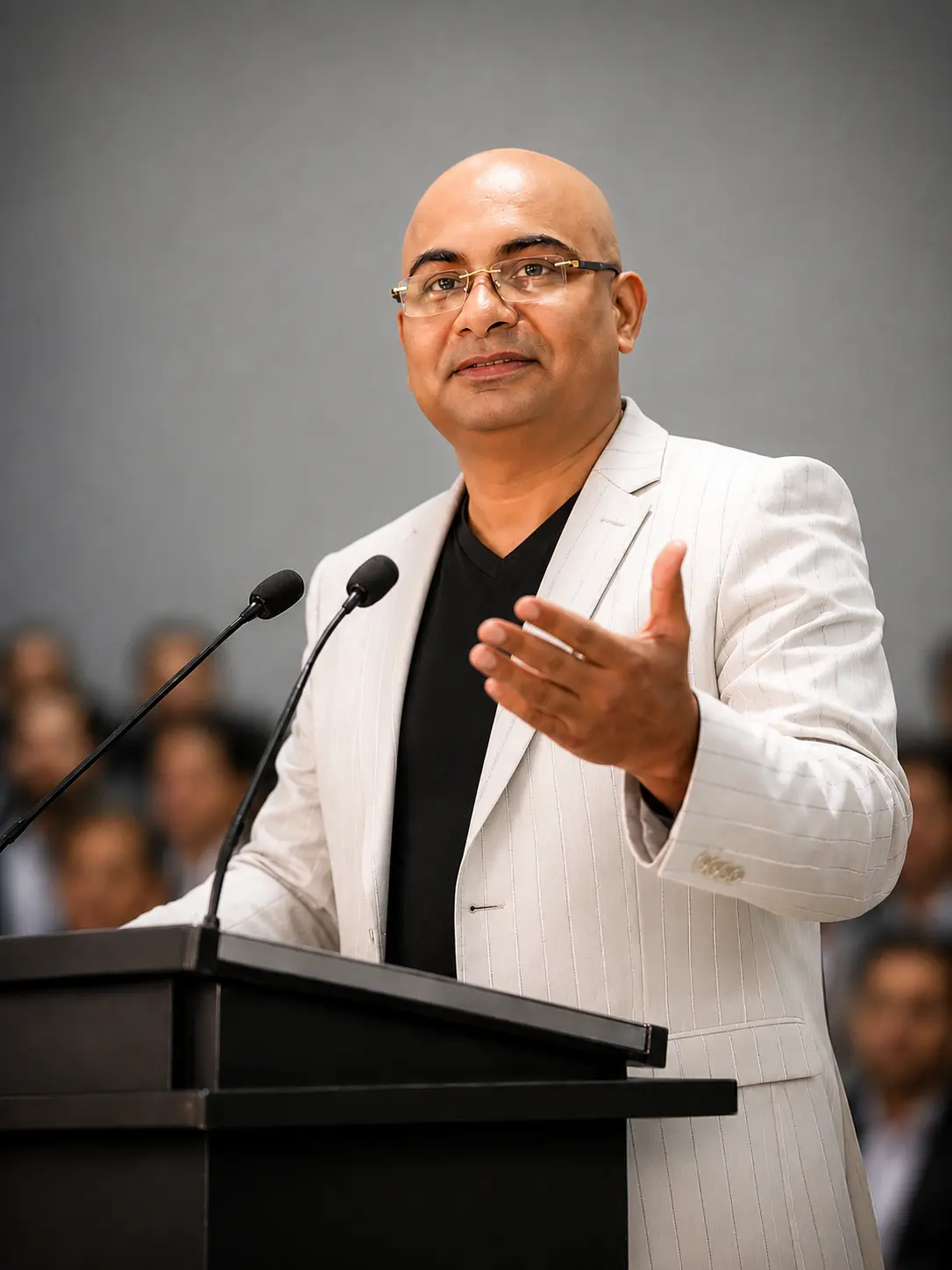
An OKR Coach with 20+ years of implementation experience, Madhusudan has guided over 50 organisations through successful OKR transformations, training more than 500 leaders. Learn more about Worxmate.
Frequently Asked Questions
MBO, pioneered by Peter Drucker in the 1950s, focuses on collaborative goal-setting tied directly to performance evaluations and accountability. In contrast, OKRs emphasize ambitious, qualitative objectives paired with measurable key results, designed to drive agility and transparency across modern organizations.
MBO relies heavily on a top-down and collaborative process where managers and employees negotiate precise, individual targets tied to performance reviews. OKRs often blend top-down strategic alignment with bottom-up ideation, encouraging teams to set ambitious, stretching goals that push their limits.
OKRs are widely favored in the tech sector and fast-paced environments due to their agile, results-oriented approach and regular cycle cadence. They foster rapid alignment and transparency, whereas MBOs are often structured around longer annual or semi-annual performance cycles.
MBO performance metrics usually track steady progress toward operational and developmental standards agreed upon by managers and employees. OKR Key Results are specific, highly measurable milestones specifically engineered to track the achievement of a qualitative, ambitious objective.
Both frameworks rely heavily on continuous communication, with MBOs emphasizing manager-led coaching to correct performance and drive continuous improvement. OKRs utilize transparent check-ins and progress tracking to foster team collaboration and keep individuals aligned with strategic goals.
MBO offers flexibility primarily in *how* employees choose to achieve their established objectives, encouraging creativity in problem-solving. OKRs offer agility through frequent cycle resets, allowing teams to pivot their focus rapidly in response to dynamic market conditions.
Data indicates that 78% of employees who utilize OKRs report high job satisfaction due to increased clarity, transparency, and purpose in their daily work. Both frameworks aim to boost engagement, but OKRs achieve this by rallying teams around bold, inspiring enterprise missions.
Choosing the best framework depends on your organization’s operational maturity, culture, and strategic agility needs. If your priority is rigorous individual accountability and structured performance reviews, MBO is ideal; if you need rapid cross-functional alignment and ambitious growth, OKRs are the superior fit.
Yes, platforms like Worxmate provide the centralized architecture needed to streamline goal cascading, OKR tracking, and performance management at scale. Enterprise HR and business leaders leverage Worxmate to eliminate silos, ensure strategy execution, and drive higher employee engagement across any methodology.